How to Make Herb-Infused Oil at Home
By ONGROK TeamUpdated 7 min read

In this guide
Herb-infused oil is oil that has taken on the flavour and properties of a herb. Rosemary oil for roast potatoes, chili oil for pasta, a calendula oil for dry skin. It's easy to make, and with a botanical infuser it takes about an hour.
This guide covers three ways to make it, how much herb to use, the best oils and herbs, how to keep it safe and how long it lasts.
What you need
- Dried herbs. Dried is the safer and longer-lasting choice. Fresh herbs carry water into the oil, and water is what lets bacteria grow. More on that in fresh vs dried herbs.
- A carrier oil. See "Which oil to use" below.
- Sunflower or soy lecithin (optional). About 1 tablespoon per cup of oil helps the herb and oil bind, which gives a more even, stronger result.
- A fine strainer, such as a mesh filter bag or cheesecloth. A paper coffee filter if you want a very clear oil.
- Clean, completely dry glass bottles or jars, ideally dark glass, with tight lids.
Some herbs need to be decarboxylated before they go into oil. If yours does, do that first. Our Decarboxylator Machine does it at a set temperature.
Which oil to use
- For cooking and dipping: a light or pure olive oil lets the herb lead. Extra virgin olive oil has a strong taste of its own and can drown out delicate herbs. Sunflower, grapeseed and avocado oil are neutral options.
- For skin and hair: sweet almond, jojoba, sunflower and olive oil. Coconut oil is solid at room temperature, which makes it good for balms.
How much herb to use
For a cooking oil, start with about 1/8 to 1/4 cup of dried herbs per cup of oil and adjust the next batch to taste. Fresh herbs are bulkier and wetter, so use about twice as much.
For a strong skincare oil, herbalists often go further, to about 1 part dried herb to 4 or 5 parts oil by weight. For example, 25 g of dried calendula to 100 to 125 ml of oil.
Prep the herbs
- If you're using fresh herbs, wash them and dry them completely. A salad spinner and an hour on a towel helps. Any water left on them shortens the oil's life.
- Bruise woody herbs like rosemary and thyme, or crush them lightly, to help release their flavour.
- Throw out anything with mould, black spots or a sour smell.
Method 1: with a botanical infuser (1 hour)
These are the settings from the ONGROK Botanical Infuser owner's manual:
- Add the herbs, the oil and the lecithin (if you're using it) to the infuser. Don't grind the herbs first; the machine has its own blade. Don't add water.
- Close the lid, set the temperature to 160°F (71°C) and press the 1-hour (Oil) button.
- When the cycle ends, put on the silicone gloves and pour the oil slowly through the filter bag into a clean, sterilized jar.
- Seal, label with the herb and the date, and store.
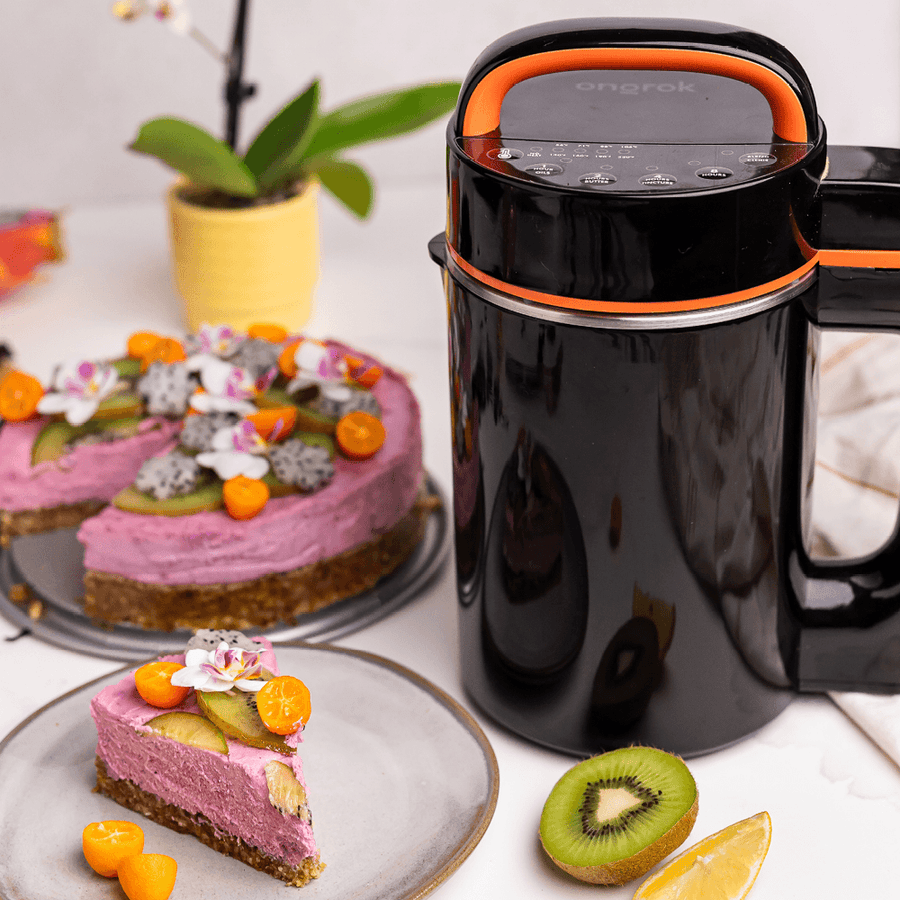
Here's how it looks with the infuser:
The Small Botanical Infuser makes 3/4 to 2 1/2 cups at a time, which is plenty for most kitchens. The full-size Botanical Infuser makes 1 to 5 cups.
Method 2: on the stove (2 to 3 hours)
- Put the herbs and oil in a heatproof bowl set over a pot of barely simmering water. The bowl shouldn't touch the water.
- Keep it warm, not hot, for two to three hours, stirring now and then. If the oil starts to bubble or smoke, it's too hot and you'll scorch the herbs. A kitchen thermometer helps; aim for around 160°F (71°C).
- Top up the water in the pot as it evaporates.
- Strain, bottle and label.
It works, but it needs watching. The infuser holds the temperature for you and stirs as it goes, which is why the result is more even.
Method 3: the cold method (2 to 4 weeks)
The slowest and gentlest way, popular for skincare oils. Use dried herbs only.
- Put the dried herbs in a clean, dry jar and pour oil over them until they're covered by about 1 cm (1/2 inch).
- Seal it and leave it somewhere warm, like a sunny windowsill, for 2 to 4 weeks. Shake it every day or two.
- Keep the herbs under the oil. Top up if any poke above the surface.
- Strain, bottle and label.
Straining tips
- Cooking oils: let the oil drip through without pressing hard. Squeezing the herbs can push bitter flavours into the oil.
- Skincare oils: squeeze the bag firmly to get every drop.
- For a clear oil, strain a second time through a paper coffee filter, let it settle for a few hours, then pour it off and leave any sediment behind.
Four easy versions to try
Amounts are per cup of oil, using the infuser method:
- Rosemary: 2 tablespoons dried rosemary. For roast potatoes, bread and lamb.
- Chili: 1 to 2 teaspoons dried chili flakes. For pasta, pizza and eggs.
- Garlic: 1 tablespoon dried garlic flakes. For dipping and dressings.
- Italian herb: 1 tablespoon each dried oregano, basil and thyme. For tomato dishes and salads.
Keep it safe
Oil keeps air out, and that's exactly why fresh ingredients in oil need care: a low-oxygen, moist environment is where botulism bacteria can grow. So:
- Use dried herbs for any oil you plan to keep.
- For garlic, use dried garlic flakes, or roast fresh cloves first. Even then, keep a garlic oil made from fresh cloves in the fridge.
- If you use fresh herbs, garlic or citrus peel, make a small batch, keep it in the fridge and use it within a week.
- Always use clean, completely dry jars.
- If it smells off, looks cloudy or fizzes, throw it out.
How long herb-infused oil lasts
- Made with dried herbs, strained, in a cool, dark cupboard: about 3 to 6 months.
- Made with any fresh ingredient: about a week, in the fridge.
Keep it sealed and in dark glass, because light and heat make oil go rancid faster. A few drops of vitamin E oil per cup can help slow that down. Label every jar with the herb and the date.
Herb-infused oil for skin and hair
Herbal oils are a base for balms, massage oils and DIY skincare. Calendula, chamomile and lavender are popular choices, in sweet almond, jojoba or sunflower oil. A few tips:
- Patch test a small amount on your inner arm first and wait a day.
- Don't use it on broken or irritated skin.
- For hair, work a small amount into the ends and wash it out after.
- Make skincare oils with dried herbs and the cold or infuser method, and keep them out of the bathroom's heat and steam.
For more ideas, see our DIY bath oil recipes.
Ways to use it in the kitchen
- Drizzle over salads, pasta, pizza or roast vegetables.
- Use it as a bread dip with salt and pepper.
- Swap it into dressings and marinades.
- Mix it into recipes like our herbal-infused dip or the dirty herbal martini.
Making it as a gift? Use swing-top bottles with a rubber seal, make it with dried herbs, and add a label with the herb, the date it was made and a use-by date.
Looking for something stronger that keeps longer? Herbs can also be steeped in alcohol. See our guide to making a tincture at home.
Common questions
What temperature do you infuse oil at? Around 160°F (71°C). On the ONGROK Botanical Infuser that's the Oil setting: 160°F for 1 hour.
What is the best oil to infuse herbs into? Light olive oil for cooking, sunflower or grapeseed when you want the herb to lead, and sweet almond or jojoba for skin.
How much herb per cup of oil? About 1/8 to 1/4 cup of dried herbs for a cooking oil, or roughly twice that if fresh.
How long can herbs sit in oil? Only for the infusion itself: an hour in an infuser, a few hours on the stove, or 2 to 4 weeks with the cold method. Then strain them out. Leaving herbs in the oil shortens its shelf life.
Can I use fresh herbs? Yes, for a small batch you keep in the fridge and use within a week. For anything you want to store, use dried herbs.
How do you avoid botulism in infused oil? Use dried herbs and dried garlic, keep everything dry and clean, and refrigerate any oil made with fresh ingredients and use it within a week.
Does infused oil go bad? Yes. An oil made with dried herbs keeps about 3 to 6 months in a cool, dark place. Throw it out if it smells off, looks cloudy or fizzes.
Do I need lecithin? No, but it helps. About 1 tablespoon per cup of oil gives a more even, stronger infusion.
Do you ship across Canada? Yes. We ship anywhere in Canada by Canada Post or UPS. The shipping cost is shown at checkout.